
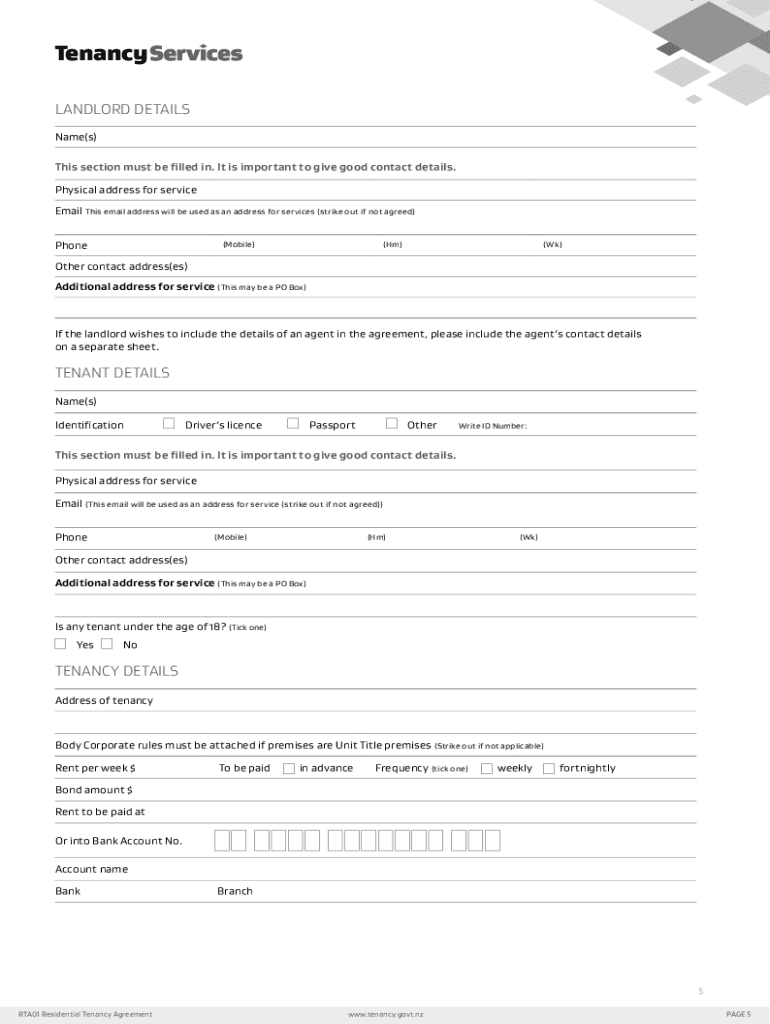
Reading Your Tenancy Agreement Without Drowning in Jargon
Tenancy agreements in NZ can feel dense, but most risks sit in a few key clauses. Here is a plain-language way to review yours before signing.
Why the Agreement Matters More Than the Listing
A rental listing sells the property; the tenancy agreement governs your day-to-day life once you move in. In Aotearoa, many disputes start because people skim the agreement, assume standard terms, and only discover a clause when something goes wrong. You do not need legal training to avoid that. You need a simple process and a highlighter.
Before you sign, open /app/checklists and create a quick 'tenancy sign-off' list. Treat the agreement like a practical document, not a test.
Five Clauses to Read First
Start with the sections that drive most household stress:
1. **Rent amount and due date** - Confirm weekly amount, due day, and payment method.
2. **Bond amount and lodgement** - In NZ, bond is usually up to four weeks' rent and must be lodged with Tenancy Services.
3. **Fixed-term or periodic** - This affects notice periods and end-of-tenancy options.
4. **Chattels and services** - What is included: heat pump, whiteware, lawns, internet arrangement.
5. **Special conditions** - Extra clauses can be valid, unclear, or unenforceable depending on wording.
The official tenancy guidance sits at tenancy.govt.nz. If a clause seems odd, check there before assuming it is standard.
Translate the Legal Bits Into Real-Life Questions
When reading, convert legal phrases into plain household questions:
- ✓If my flatmate leaves, who is still liable for rent?
- ✓Who arranges and pays for routine maintenance?
- ✓What happens if the heat pump fails in winter?
- ✓Can the landlord enter for inspections, and what notice must they give?
- ✓What is the process if we need to end the tenancy?
If you are unsure, ask in writing before signing. Written clarification creates a paper trail. Save email replies in a folder and log key dates in /app/steps.
Western Bay Context: Competition and Time Pressure
In Tauranga and the wider Western Bay, rental competition can create pressure to sign quickly. Agents may present this as 'standard paperwork'. Standard does not mean you should skip reading. A 20-minute review now can prevent months of stress.
If timing is tight, prioritise essentials and ask for a short window to confirm clauses. You can also call Citizens Advice Bureau for general rights information via citizensadvice.org.nz or 0800 367 222. They can help you frame the right questions, especially if English legal wording feels overwhelming.
A Simple Pre-Sign Checklist
Use this practical sequence:
- ✓check all named tenants are correct
- ✓verify rent, bond, and payment details
- ✓photograph pre-existing damage at move-in
- ✓confirm smoke alarms and basic condition
- ✓get written confirmation of any verbal promises
- ✓keep a signed copy in your household documents
The Home Steps directory at /programme/directory can help you find local support services, while /resources collects broader guidance.
If You Already Signed and Feel Unsure
You still have options. Read your copy fully, identify specific clauses, and seek advice early rather than waiting for conflict. Tenancy Services provides information and dispute processes through the same tenancy.govt.nz site. If money stress intersects with tenancy stress, contact MoneyTalks on 0800 345 123 for free financial mentoring referral.
Educational Guidance, Not Legal Advice
This article is educational signposting only and is not legal advice or tenancy representation. Rules and interpretation can change, and each tenancy has unique facts. Confirm current rights and obligations with official sources and qualified support services before making legal decisions.
A careful read today is often the cheapest protection your household can buy.
A 20-Minute Pre-Sign Routine
If you are offered a tenancy and need to decide quickly, set a timer for 20 minutes and run a fixed routine. Minute 1-5: check names, address, rent amount, start date, and whether tenancy is fixed-term or periodic. Minute 6-10: scan bond terms and confirm how lodgement will be completed with Tenancy Services. Minute 11-15: review all special conditions and mark anything unclear. Minute 16-20: draft one email asking specific clarifying questions.
This routine keeps your brain on practical checks instead of pressure from scarcity. It also helps couples or flatmates share the load: one person reads clauses, the other prepares questions and records answers. If you need to explain your process to household members, the overview pages at /about and features can help everyone use the same simple workflow.
Questions Worth Emailing Before You Transfer Money
Use concrete wording. For example: 'Can you confirm bond will be lodged with Tenancy Services and when we should receive acknowledgement?' or 'Can you confirm who maintains lawns and whether that is included in rent expectations?' Written questions reduce misunderstanding and protect both parties.
If answers are vague, keep asking until details are clear. You are not being difficult; you are making sure the agreement reflects what was discussed. This is especially important for households balancing multiple jobs or childcare where unexpected obligations can quickly become expensive.

Written by
Home Steps programme team
Part of the Vector Group Charitable Trust Resilience Programme. Home Steps shares practical, educational content for whānau in Aotearoa.
Ready for today's household step?
Open Today for one gentle household step you can try with your whānau.