
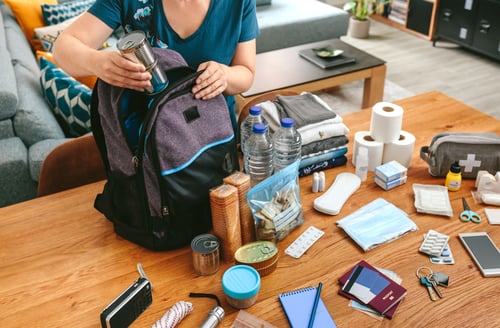
Emergency Kit Basics for Cyclone Season on the BOP Coast
Cyclone prep is easier when done in small, practical steps. This BOP-focused guide covers the kit basics households use when power and roads are disrupted.
Build for 72 Hours First
Cyclone and severe weather events on the Bay of Plenty coast can disrupt power, transport, and communications with little warning. National emergency guidance recommends households can cope independently for at least three days. That is a realistic target when you build your kit in stages rather than trying to buy everything at once.
Official preparedness guidance is available at civildefence.govt.nz. Use that as your baseline and adapt for your household.
Core Kit Items That Matter Most
Start with essentials that reduce immediate risk:
- ✓drinking water (about 3 litres per person per day)
- ✓non-perishable food and manual can opener
- ✓torch plus spare batteries
- ✓battery or hand-crank radio
- ✓first-aid supplies and personal medications
- ✓power bank for phones
- ✓hygiene items and baby needs if relevant
Place items in one weather-resistant container and record where it is kept. Use /app/checklists for your inventory and expiry dates.
BOP-Specific Additions Worth Including
For coastal and storm-exposed areas, add practical local extras:
- ✓sturdy footwear and rain layers for wet debris conditions
- ✓copies of insurance and property details
- ✓pet food and restraint items
- ✓cash in small denominations in case EFTPOS is unavailable
- ✓local paper maps if mobile coverage drops
If your household includes older adults, infants, or people with medical equipment, increase buffer supplies and plan charging alternatives.
Communication Plan Before the Weather Hits
A kit is only half of readiness. Decide now:
- ✓who checks official alerts
- ✓where household members meet if separated
- ✓which out-of-area contact holds status updates
- ✓what to do if roads close
Keep key numbers in your document folder and on paper. You can maintain this plan with recurring prompts in /app/today and /app/steps.
Financial Readiness Is Emergency Readiness
Small emergencies become larger when households have no cashflow buffer for fuel, food, or temporary accommodation. Even a modest emergency envelope can help. Sorted provides simple savings tools, and MoneyTalks (0800 345 123) can connect households to free mentoring when debt pressure prevents preparation.
For local support pathways and community services, keep /programme/directory bookmarked.
Practice Once, Improve Every Season
Run one low-stress drill with your whanau:
- ✓locate torches in the dark
- ✓check radio battery
- ✓test phone charging routine
- ✓review medicine supply dates
You will quickly see what is missing. That is the point. Preparedness is a living routine, not a one-time shopping list.
Educational Guidance, Not Emergency Command Advice
This article offers educational signposting and is not a substitute for official emergency instructions. Conditions and local directives change quickly during severe weather events. Always follow current instructions from Civil Defence, emergency services, and local authorities.
A basic, maintained kit gives your household time, choices, and calm when weather turns fast.
Medication and Special Needs Planning
Generic lists miss an important point: many households include people with regular medication, mobility needs, or medical devices. Build your kit around the people in your home, not a generic template. Keep a current medication list with dosage, prescriber, and pharmacy details. Include backup glasses, hearing-aid batteries, and child-specific comfort items where relevant.
Review these items every three months and after any prescription change.
Water and Food Practicalities
Storing water is one thing; accessing and rotating it is another. Label containers with fill dates and set reminders to refresh stock. Choose shelf-stable foods your household already eats, so rotation is realistic and waste stays low.
For households on tight budgets, build in phases rather than one expensive shop. One extra water container or pantry item each week is still valid preparedness.
Know Your Local Alert Channels
Follow your local Civil Defence and council channels for warnings and instructions. During severe weather, information changes quickly. A prepared household checks official updates early, verifies rumours before acting, and communicates plans clearly to whanau members.
Quick Seasonal Review
At the start of each season, check expiry dates, replace missing batteries, and confirm everyone still knows where kit items are stored.

Written by
Home Steps programme team
Part of the Vector Group Charitable Trust Resilience Programme. Home Steps shares practical, educational content for whānau in Aotearoa.
Ready for today's household step?
Open Today for one gentle household step you can try with your whānau.