
Rural Fire Season: Checklist for Lifestyle Blocks Near Te Puke
Lifestyle block households near Te Puke can reduce fire risk with practical seasonal preparation, clear evacuation planning, and record-ready systems.
Fire season planning is a core resilience task for households on lifestyle blocks near Te Puke and surrounding rural communities. Dry vegetation, machinery use, wind conditions, and access constraints can increase risk quickly. You cannot remove all hazards, but you can reduce exposure and improve response readiness.
Start with official guidance from Fire and Emergency New Zealand. Check current fire season status and local restrictions before lighting outdoor fires or using burn-offs. Rules can change by district and conditions, so confirm current requirements regularly.
Create defensible space around homes and sheds. Cut back long grass, remove dry debris near structures, trim overhanging branches, and keep access ways clear for emergency vehicles. Store firewood and flammable materials away from walls and ignition sources.
Machinery management matters during high-risk periods. Service mowers, chainsaws, and farm vehicles, and avoid operating heat-producing equipment in peak dry and windy conditions where possible. Keep extinguishers and water sources accessible when using machinery.
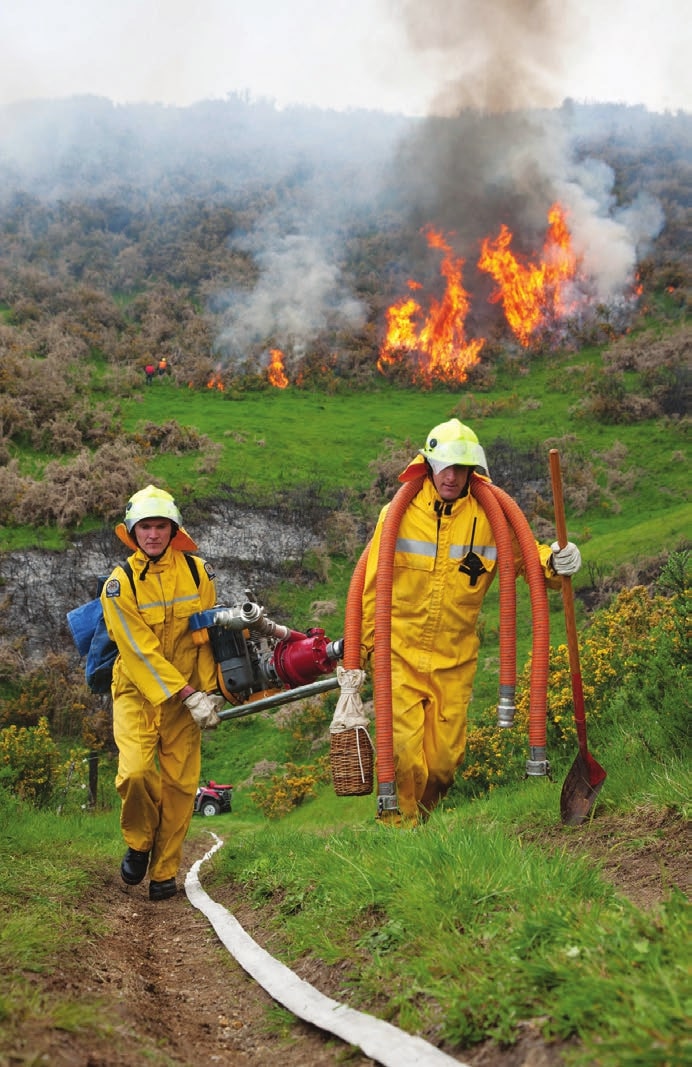
Water readiness is crucial for rural properties. Identify available tanks, pumps, hoses, and fittings, and confirm they are functional. Mark water points clearly so others can locate them quickly in an emergency. If you rely on pumps, test backup power options.
Build a household evacuation plan with clear triggers: when to leave, where to go, who calls whom, and how pets and stock will be managed. Practice once before peak season. A plan only works if everyone can follow it under stress.
Prepare a grab-and-go pack with medications, identification, chargers, torch, first-aid basics, and critical documents. Keep a digital backup of insurance and property records so claims can begin faster if needed. Our internal household document folder resource supports this.
Review insurance before summer escalation. Confirm replacement values, outbuilding cover, and policy conditions for rural properties. Ask your insurer what evidence is helpful for claims and store photos of key assets in dated folders.
Neighbour coordination improves outcomes. Exchange contact details, discuss vulnerable households nearby, and agree basic communication during high-risk days. Community awareness can provide early warning and practical support.
For weather and hazard updates, monitor official local channels and emergency messaging systems relevant to Bay of Plenty. Do not rely on social media rumours during active incidents; use verified sources.
In Home Steps, link fire readiness with your seasonal routine. Schedule pre-season checks, mid-season review, and post-season reset. Use our internal seasonal resilience calendar to keep tasks distributed rather than rushed.
Add a seasonal property walk-through checklist for the whole whānau: gate access clear, driveways passable, hoses connected, pumps tested, extinguishers in date, and evacuation route confirmed. Walk the route by car and on foot so everyone understands alternatives if one exit is blocked. If animals are part of your household system, pre-plan transport options and temporary shelter contacts. Decisions made in calm weather are usually faster and safer than decisions made under smoke and time pressure.
Run one family drill each season that includes communication failure scenarios, such as one person out of mobile coverage. Practising these edge cases helps your household respond when real conditions are noisy and stressful. Write down what worked and what needs changing after each drill so improvement is continuous.
Keep vehicles at least half full through peak season so evacuation decisions are not delayed by fuel runs.
Store masks and eye protection for smoke events in your grab-and-go kit and replace used items promptly.
Label exits and meeting points clearly so visitors and extended whānau can follow your plan too.
Post your emergency contact list on the fridge and in each vehicle for quick access.
Review and refresh this list monthly during peak season.
Fire preparedness is not about fear. It is about reducing avoidable risk and increasing decision speed when conditions worsen. For lifestyle blocks near Te Puke, consistent seasonal maintenance, clear plans, and shared household roles can make a significant difference to safety and recovery.

Written by
Home Steps programme team
Part of the Vector Group Charitable Trust Resilience Programme. Home Steps shares practical, educational content for whānau in Aotearoa.
Ready for today's household step?
Open Today for one gentle household step you can try with your whānau.